Archaeological excavations at Eftali Koçi school have revealed a wealth of artifacts spanning many of the historical periods of the city of Epidamnos-Dyrrachion, especially highlighting its earliest phases. Below, you will find brief descriptions and some images showcasing a selection of these significant discoveries.
– Amphorae (including large amounts of lids)
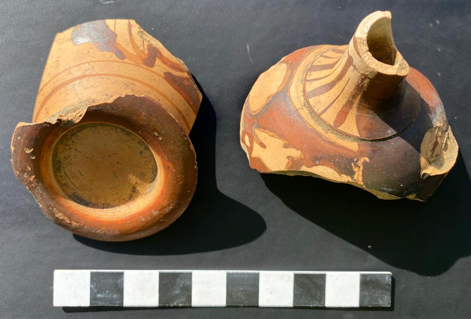
– Oinochoai (well represented including an unfinished vase dating to the Middle Late Classical period, 420-370 BC, with a representation of the silhouette of a seated woman)
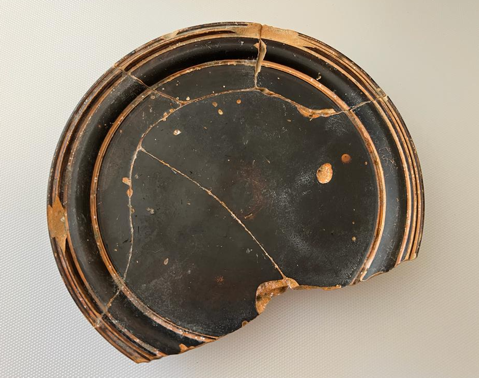
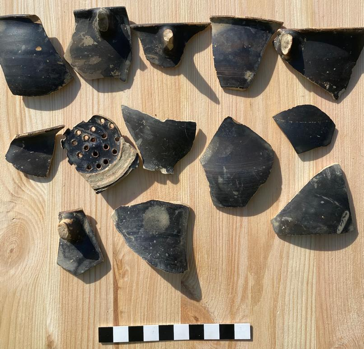
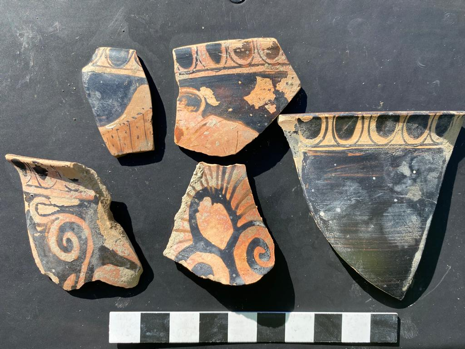
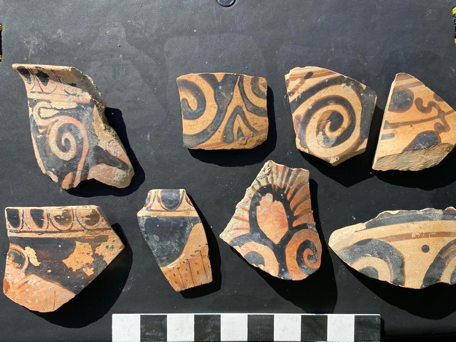
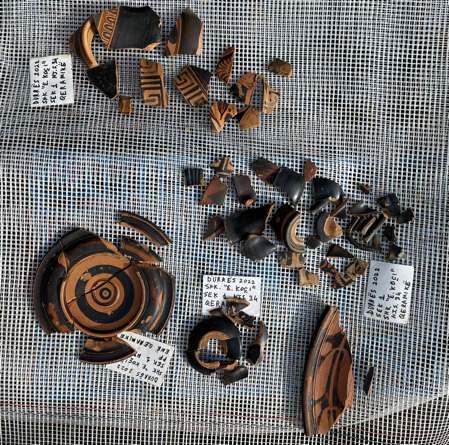
– Fragments of black-glaze lekane with red-figure decoration, possibly Attic imports of the 5th century BC during the Archaic and Classic periods.
– Black glazed plates (with stamped decorations or undecorated) dating to 3rd century BC
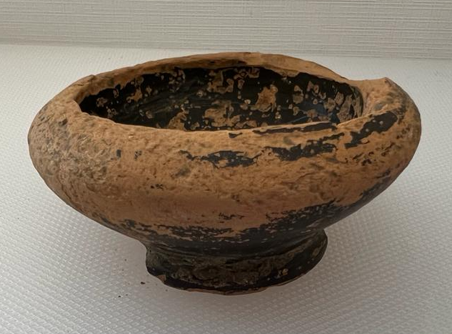
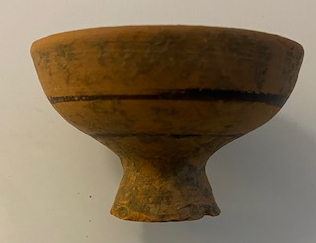
– Black-glaze small bowls (miniatures) dated to 3rd century BC
– “Saucers”- Small, locally made plates, some of them in black glaze. Generally dating to the mid-3rd century BC
– Skyphoi – Possibly Corinthian, with markedly narrower bodies in the lower part, dating to the end of 4th century – mid 3rd century BC
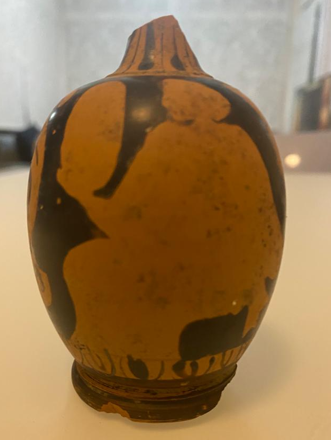
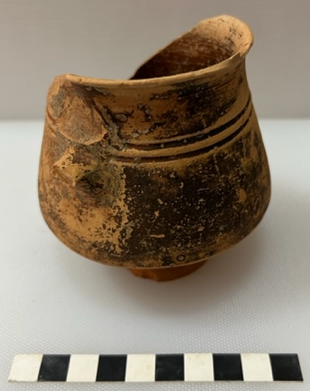
– Minituature lecythoi with deep, conical mouths flaring outward from the neck and ovoid bodies, dating to the late 4th century to early 3rd century
– Unguentaria
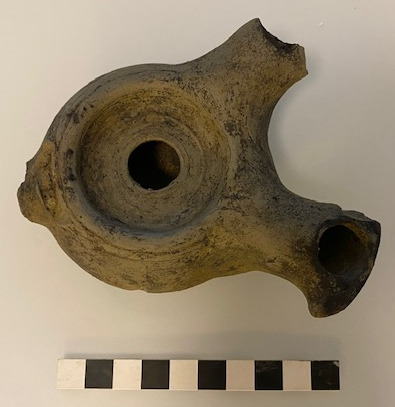
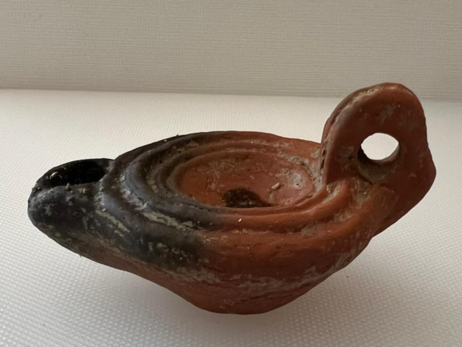
– Oil lamps – fragments and complete ones
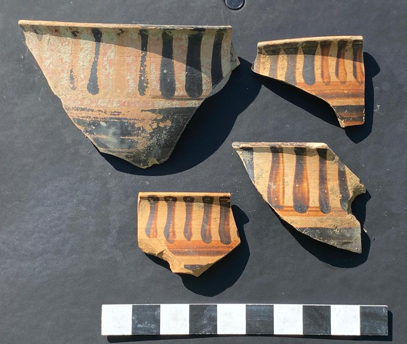
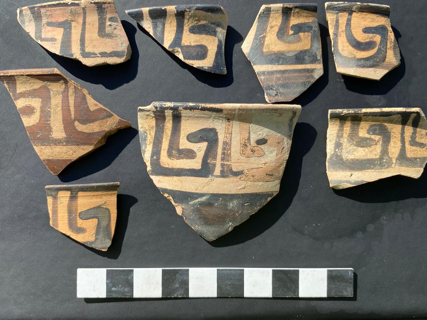
– Stopped meander motifs on fragments of various shapes including skyphoi, cantharoi, etc dating to the first half of 4th century BC
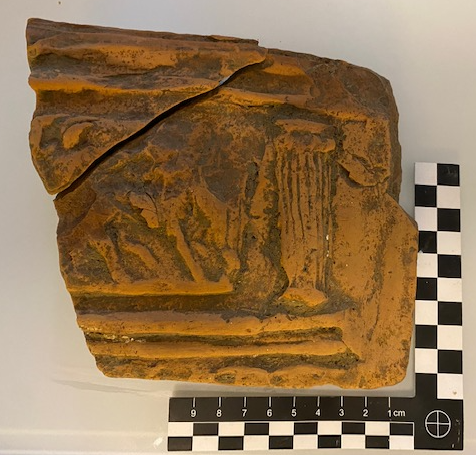
– Hellenistic and Roman bricks
– Rooftiles (large pan tiles and cover tiles), some stamped by state or private workshops
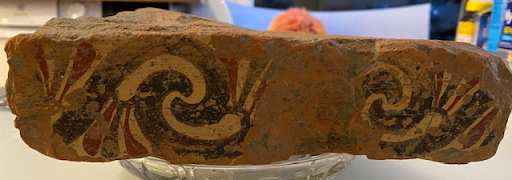
– Archaic Period tile with dark blue and red painted floral motifs
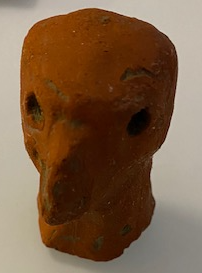
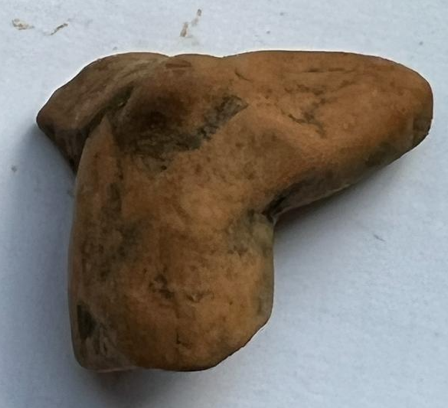
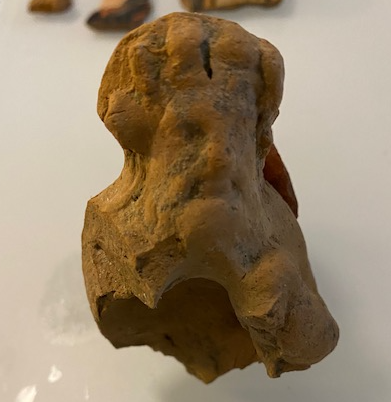
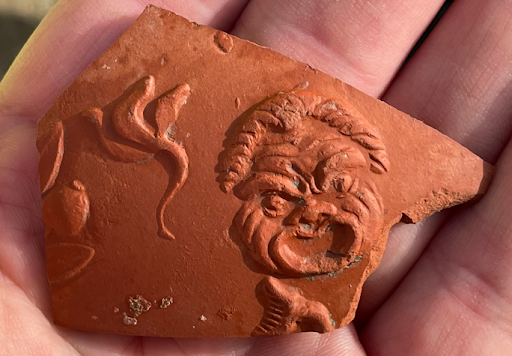
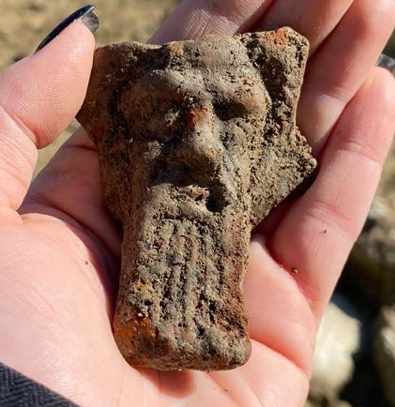
– Terracotta figurines of human and animal subjects
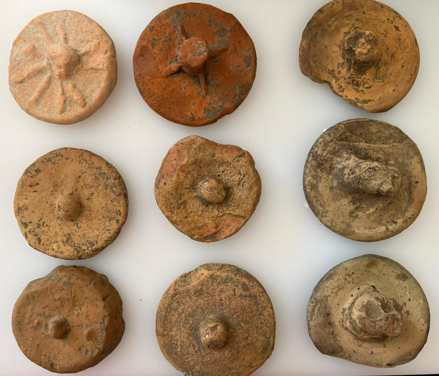
– Loom weights
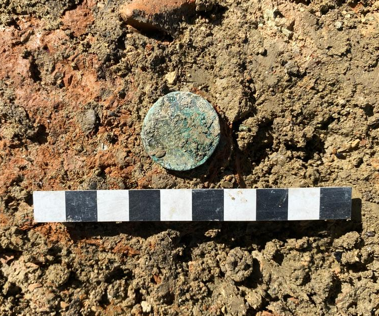
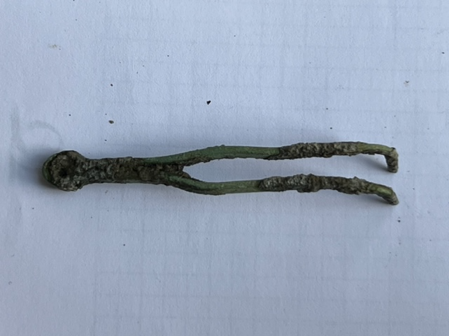
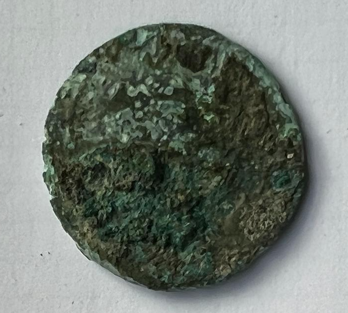
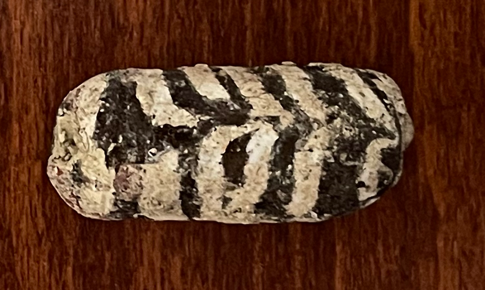
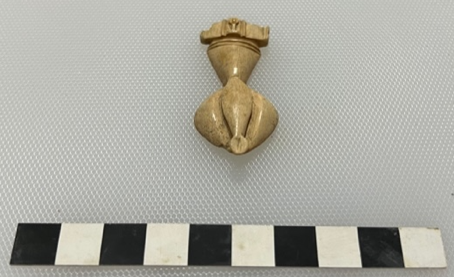
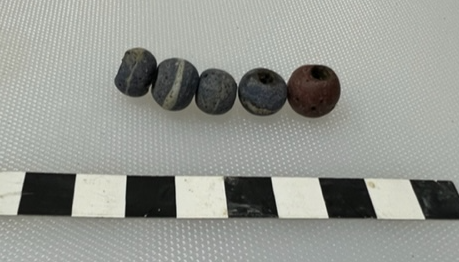
Non-ceramic finds included a variety of artifacts, providing valuable information about various activities. They included jewelry (bone amulets and perforated globular beads in faience / glass paste belonging to a necklace, bracelets), other accessories such as bronze tweezers, bronze coins, bone hairpins, etc.
All images © I Pojani
 English
 Shqip