Artemision
Discovered in 1970 by Vangjel Toçi near the Hills of Dautaj, northwest of Durrës, the Artemision was first believed to be a sanctuary dedicated to Aphrodite. In 2003, a joint Albanian-French research team led by F. Tartari and A. Muller reclassified it as the sanctuary of Artemis. Although devoid of architectural remains, the site yielded approximately 5 tons of archaeological materials, predominantly terra-cotta figurines, suggesting an extensive votive practice.
The collection includes numerous reconstructed Artemis figurines, inscriptions and objects dedicated to Artemis or Hecate, and a variety of artifacts dating from the 6th century BC, with notable activity in the 4th century BC. The Artemision's proximity to the gates of the ancient city and its strategic position near a hill pass correlate with historical accounts, thereby enriching our understanding of the area's ancient topography.
Votive offerings at the site reflect the reverence for Artemis as a deity guiding individuals through crucial life changes. The array of protomes and terra-cotta figurines represents women of different social classes, underlining Artemis’s significance in overseeing marriage and social development. The assemblage from the Artemision is crucial in studying the evolution of ceramic craftsmanship in Epidamnos - Dyrrhachion, demonstrating influences from Greek and Southern Italian traditions.
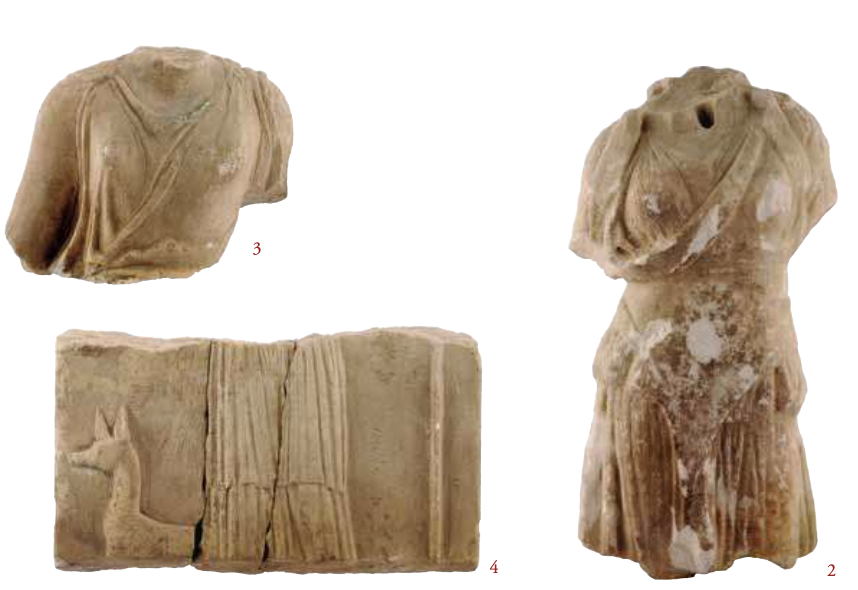
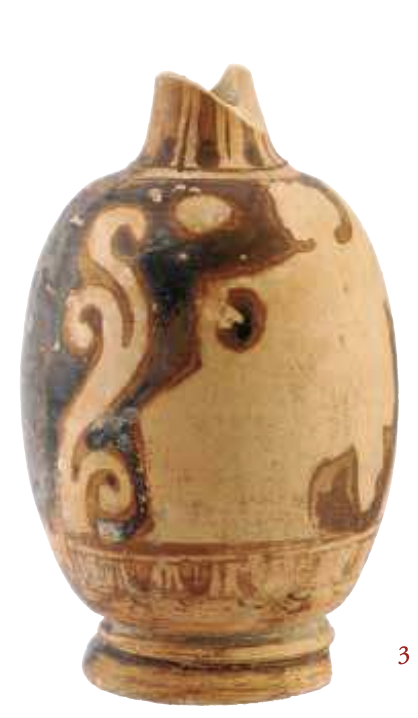
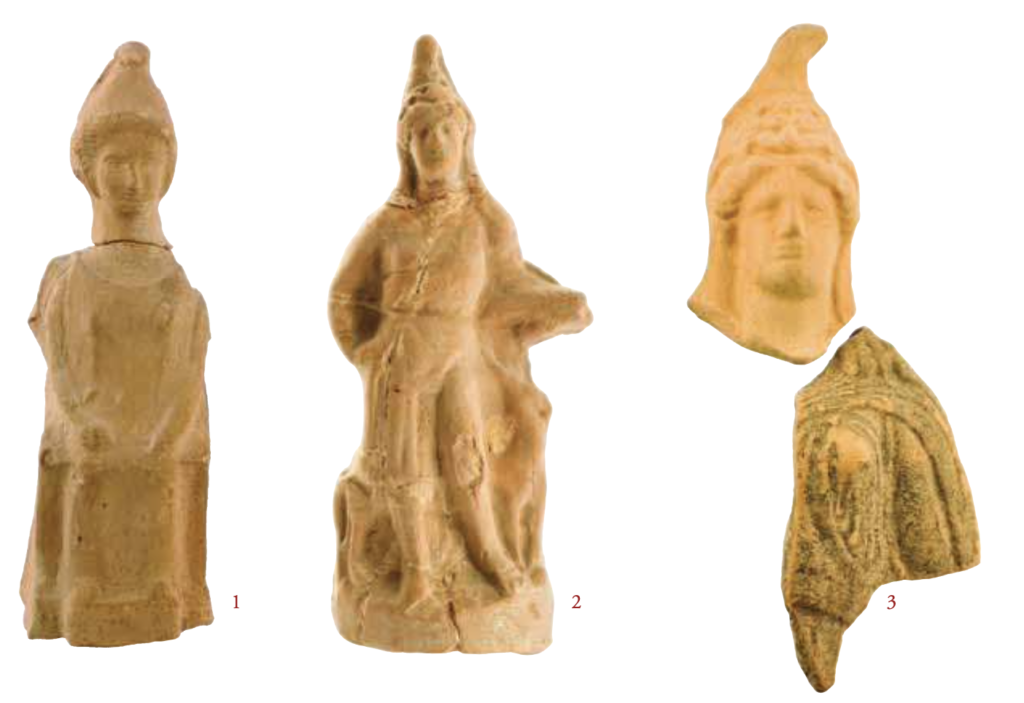
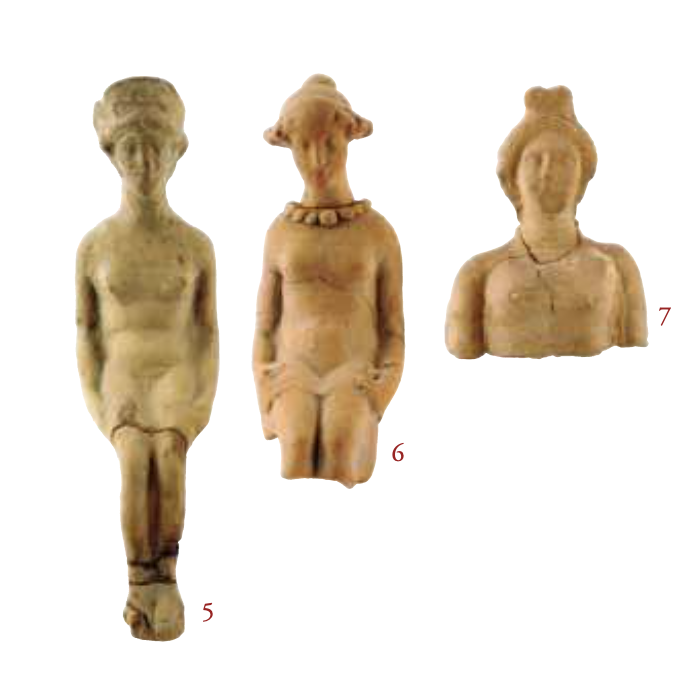
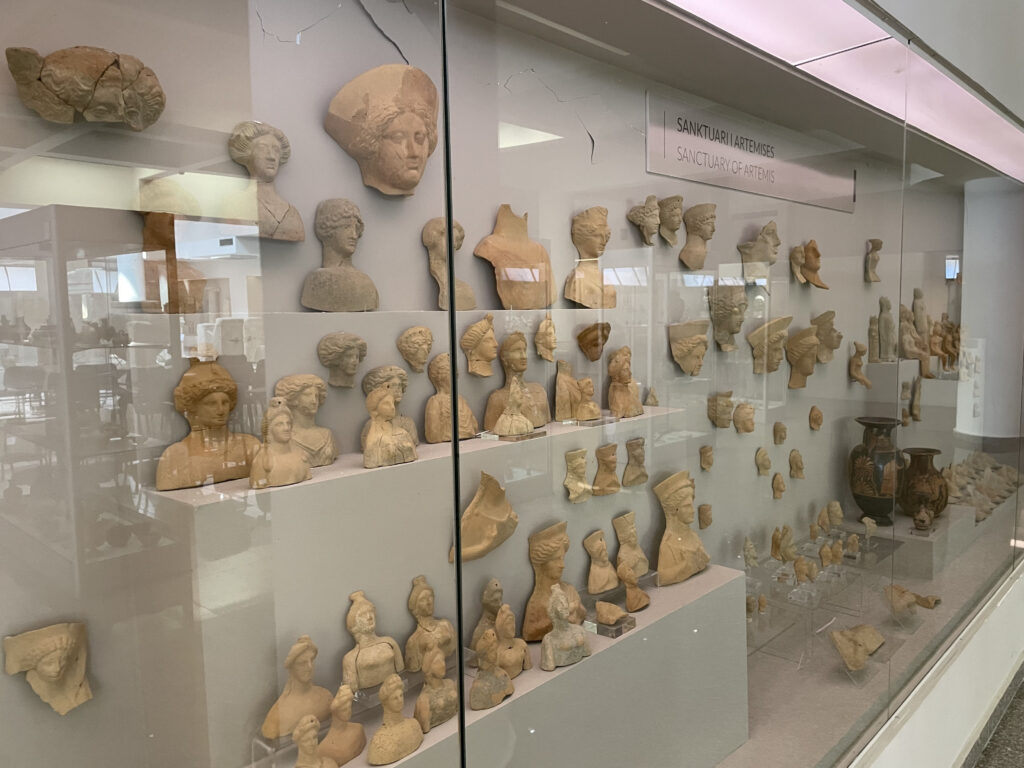
All images © Gilbert Naessens
Tempulli Arkaik – Spitallë
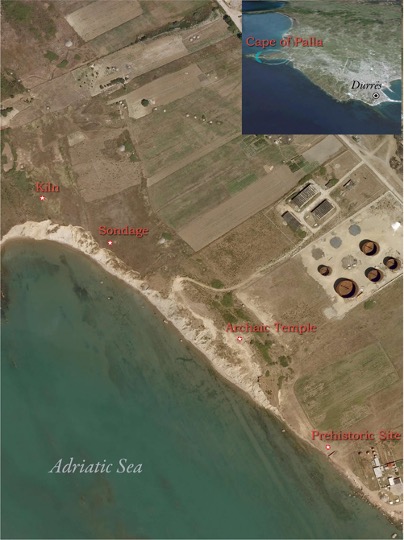
The Archaic Temple in Spitallë was excavated in the early 2000s as part of the Kora of Durrës project. It was part of an extramural sanctuary built in the 6th century BCE. The temple continued to be used until the end of the 4th - beginning of the 3rd century BCE. It was preserved in the form of foundations and a collapsed roof, from which a large number of architectural and ceramic finds from the Archaic, Classical, and Hellenistic periods were discovered.
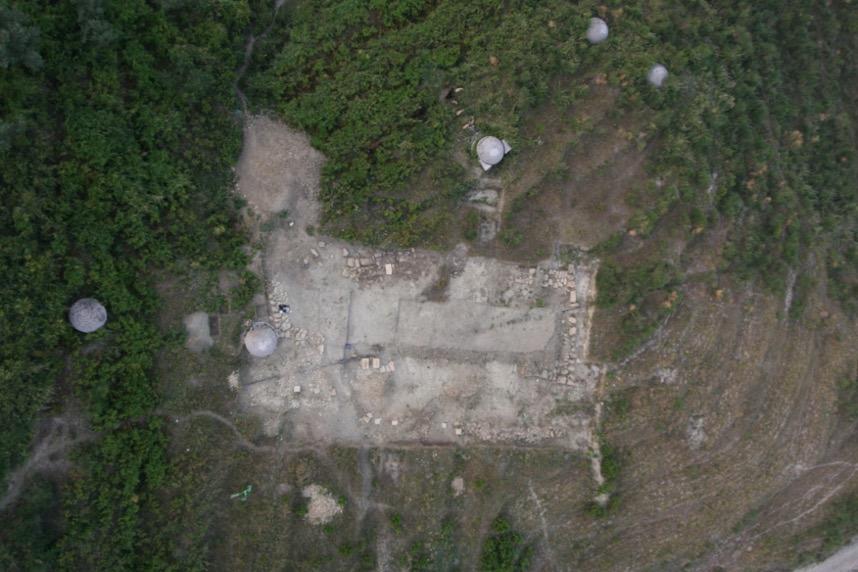
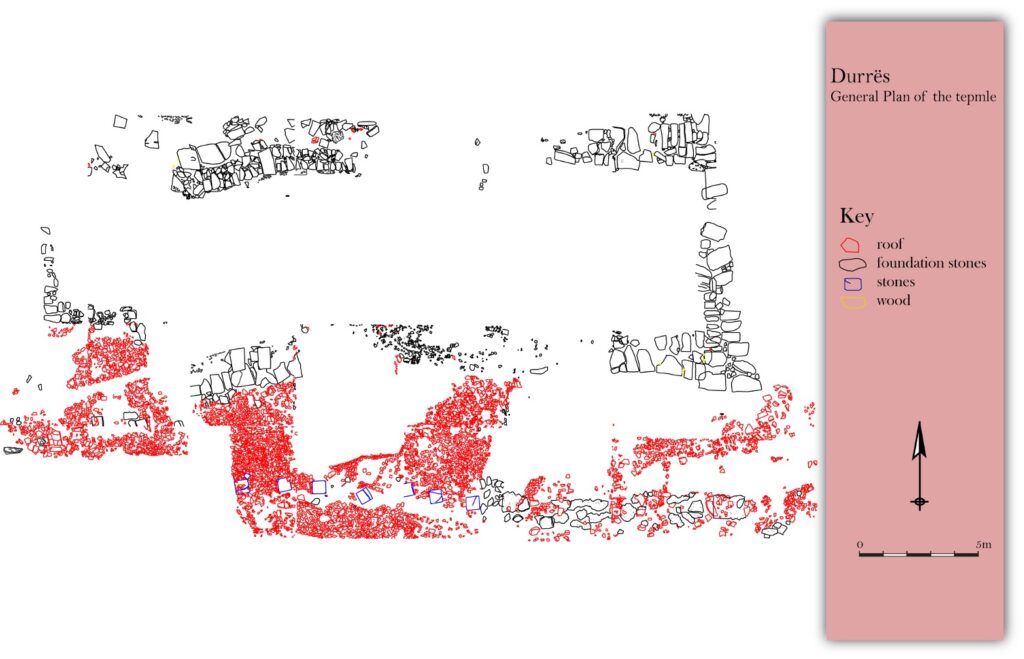
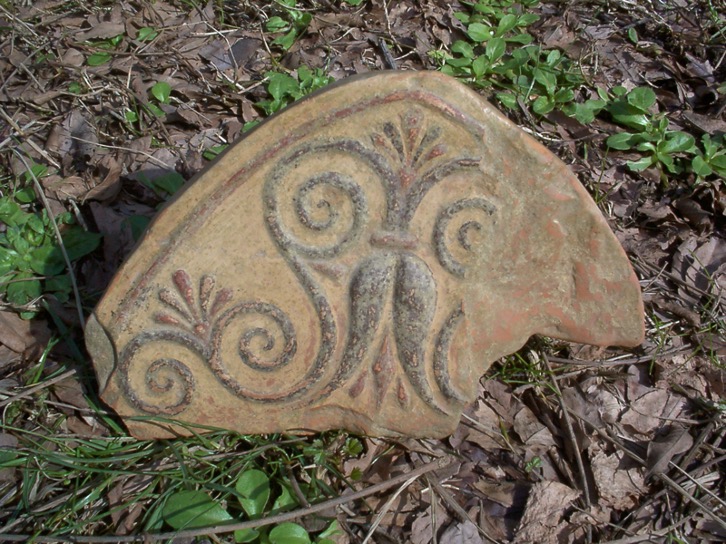
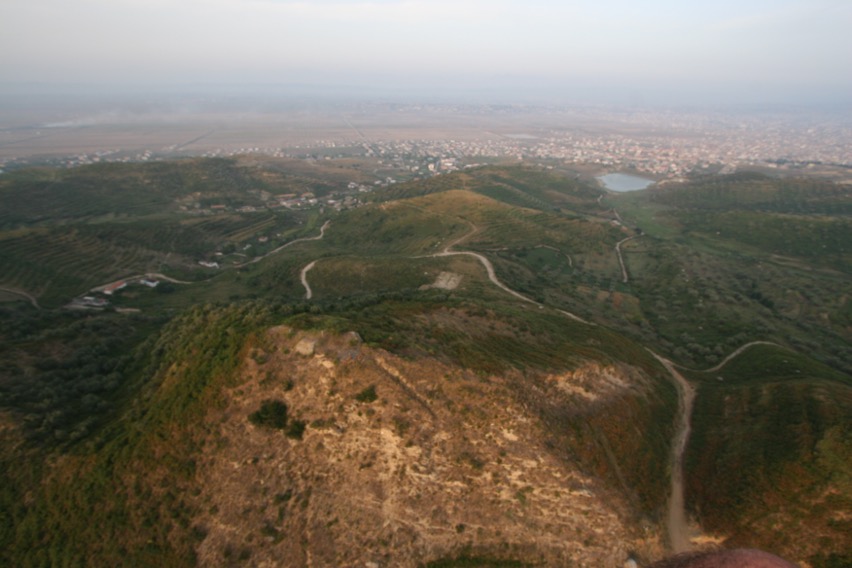
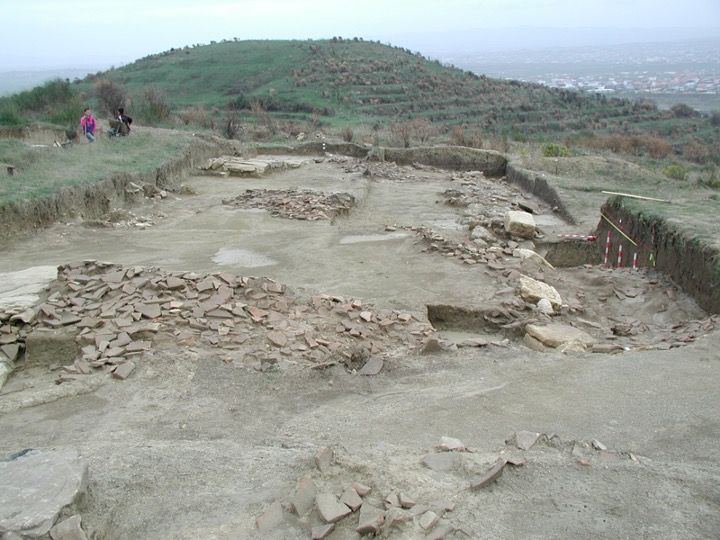
All images © ICAA – International Center for Albanian Archaeology
Archaic Temple at Bisht Pallë
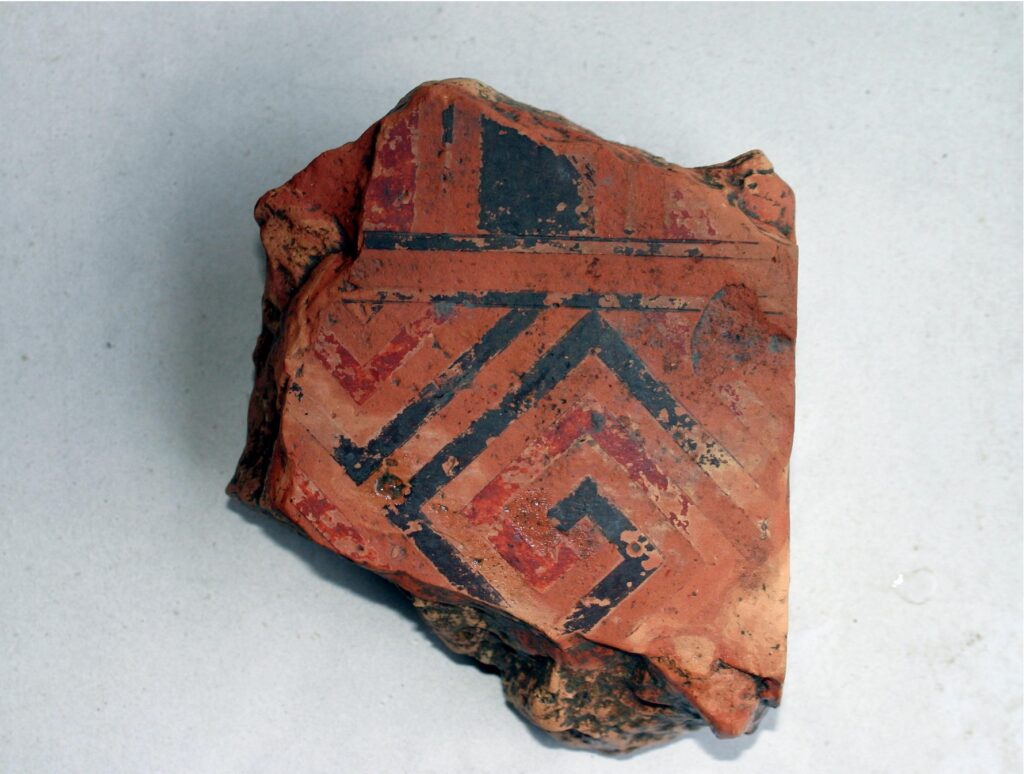
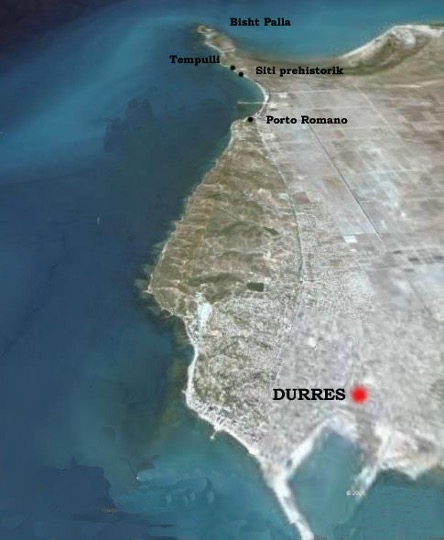
An extramural maritime sanctuary was excavated in the mid 2000’s at Bisht Pallë, northwest of the city of Durrës. The remains of a collapsed roof belonging to the in-situ sanctuary were found, like the collapsed roof of the temple at Spitalla. These structures show an Archaic phase and a Hellenistic phase. Deformations of the structures suggest that the roof and parts of the perimeter wall were destroyed in antiquity due to ground movement. Many tiles, entablature elements, antefixes, and terracotta objects were uncovered, where zoomorphic forms relating to cult practices of the Archaic period (Corinthian style) predominate.
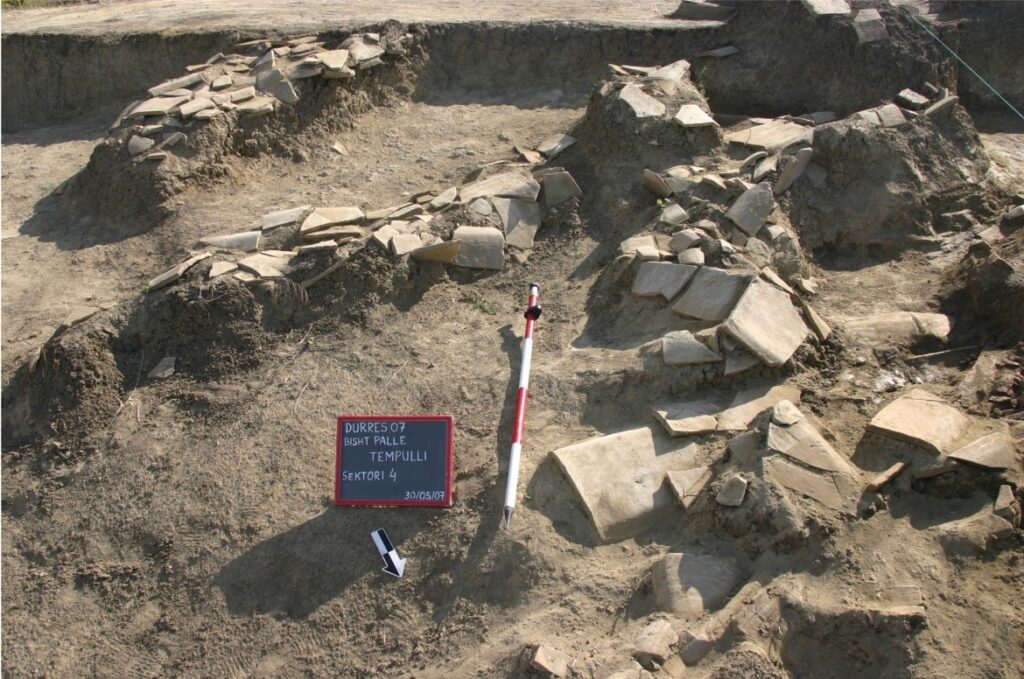
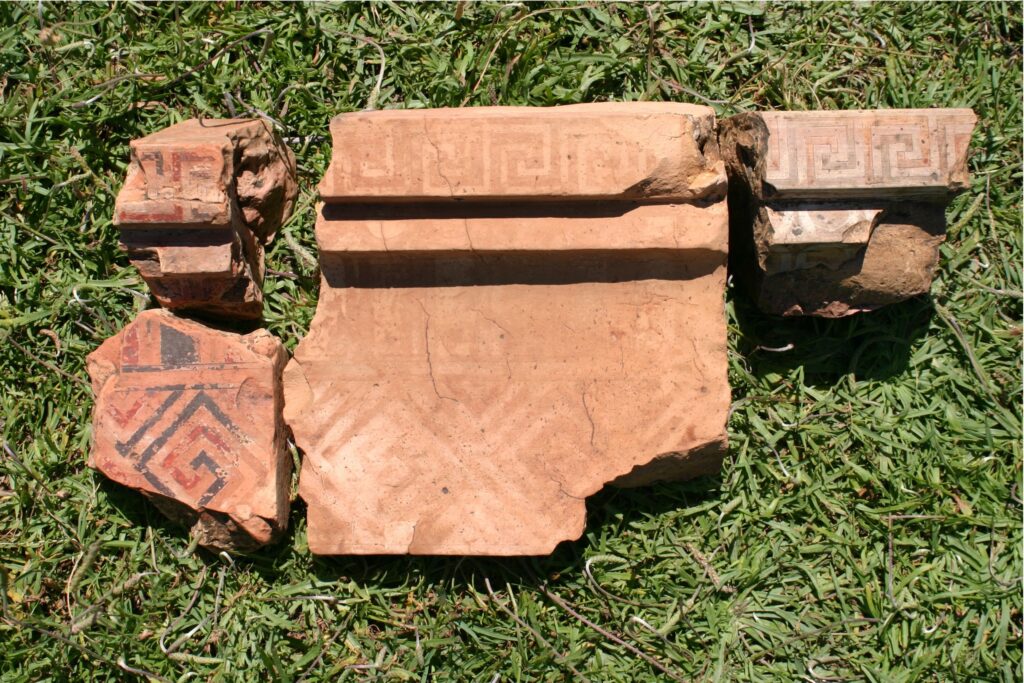
All images © ICAA – International Center for Albanian Archaeology
 English
 Shqip