Some 3D models of the graves
Grave 1
Grave 2
Grave 1 Skeleton
Grave 2 Skeleton
Graves 3 and 4
3D Models by Sabian Hasani, “Eftali Koçi” Archaeological Excavation Project
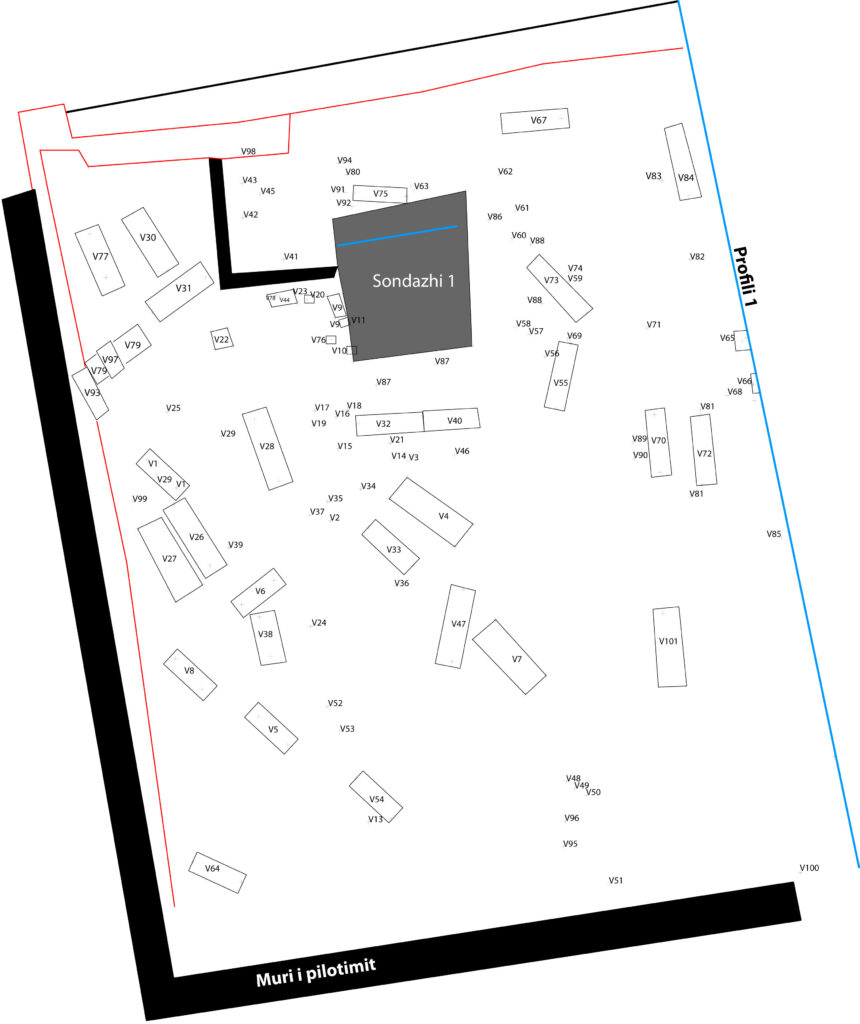
The archaeological excavations at the 'Lori' site, conducted in 2007 by the Archaeological Service Agency in Durrës, revealed an ancient cemetery of significant historical and cultural importance. This cemetery uncovered 101 graves belonging to three different periods: Hellenistic, Roman, and Late Antiquity. The archaeological data from this excavation are crucial for better understanding the various burial typologies and rites practiced in this area over the centuries.
The graves were of different typologies, including ceramic urns, stone sarcophagus urns, graves with Hellenistic tiles, parallelepiped-shaped graves with brick construction, and graves with tile construction. The orientation of the graves was predominantly Northwest-Southeast. Notably, the graves from the Hellenistic period provided the richest archaeological inventory, while those from the Late Antiquity period yielded fewer material data. The inventory discovered includes various ceramic and metal objects, including coins. Together with the typology of grave construction and other ritual aspects, this archaeological data conveys important information about a cemetery in the heart of the city of Durrës, located near its ancient perimeter wall. These findings provide a clear picture of the development of burial rituals and culture in this area from the 3rd century BCE to the 6th century CE.
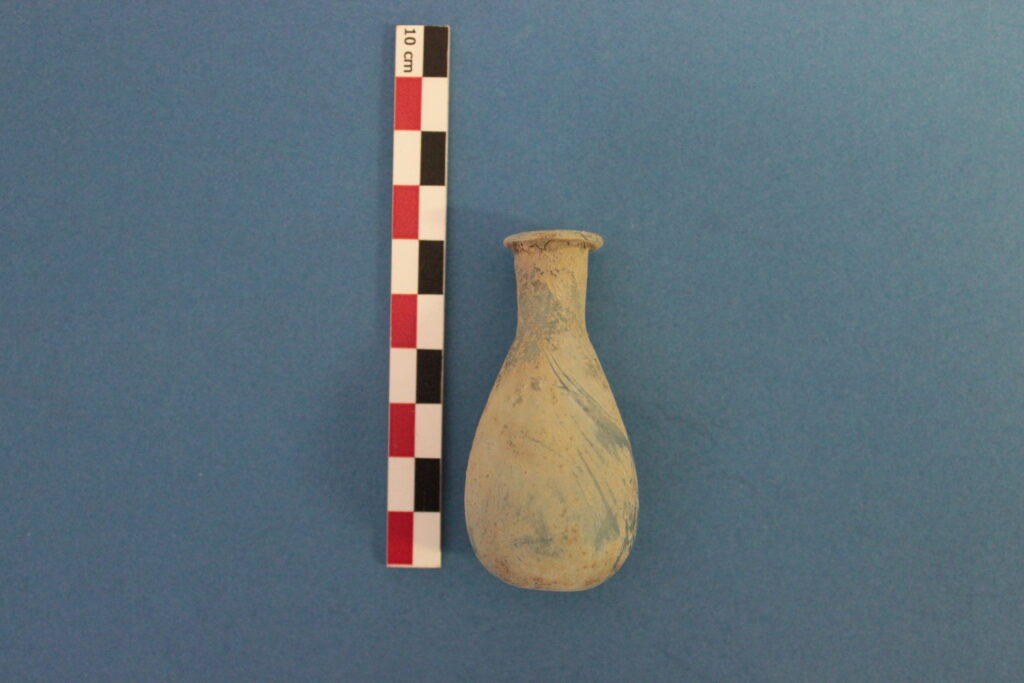
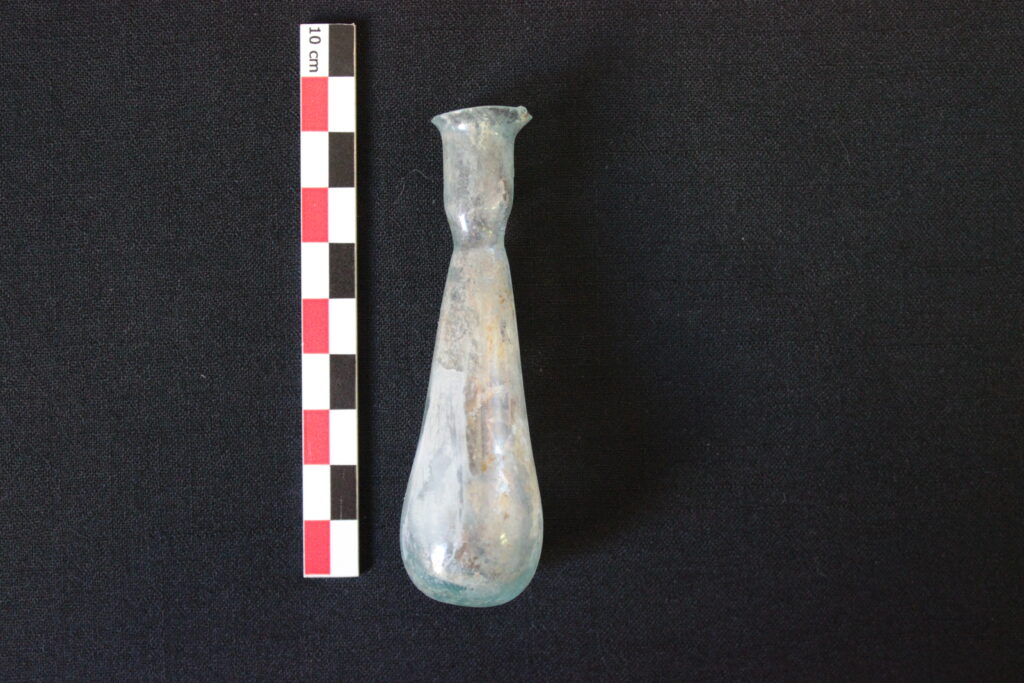
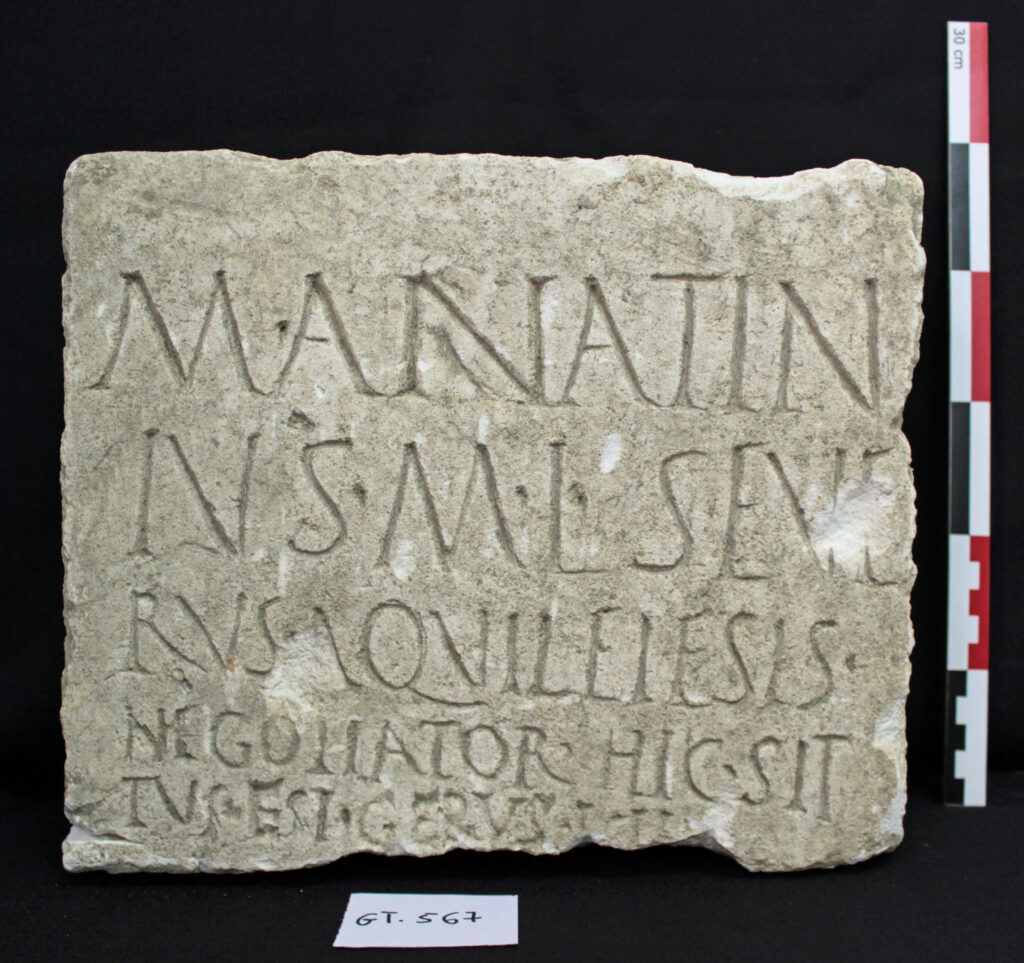
Some archaeological finds from the cemetery excavation
Temporary plan of the cemetery
All images © Ministria e Kulturës, Agjencia e Shërbimit Arkeologjik
 English
 Shqip